
SKIN CONCERNS
Redness, Rosacea & Sensitive Skin
Calm, strengthen, and support reactive skin.
Professional skin assessment and personalised treatment plans to support healthier, more confident skin.
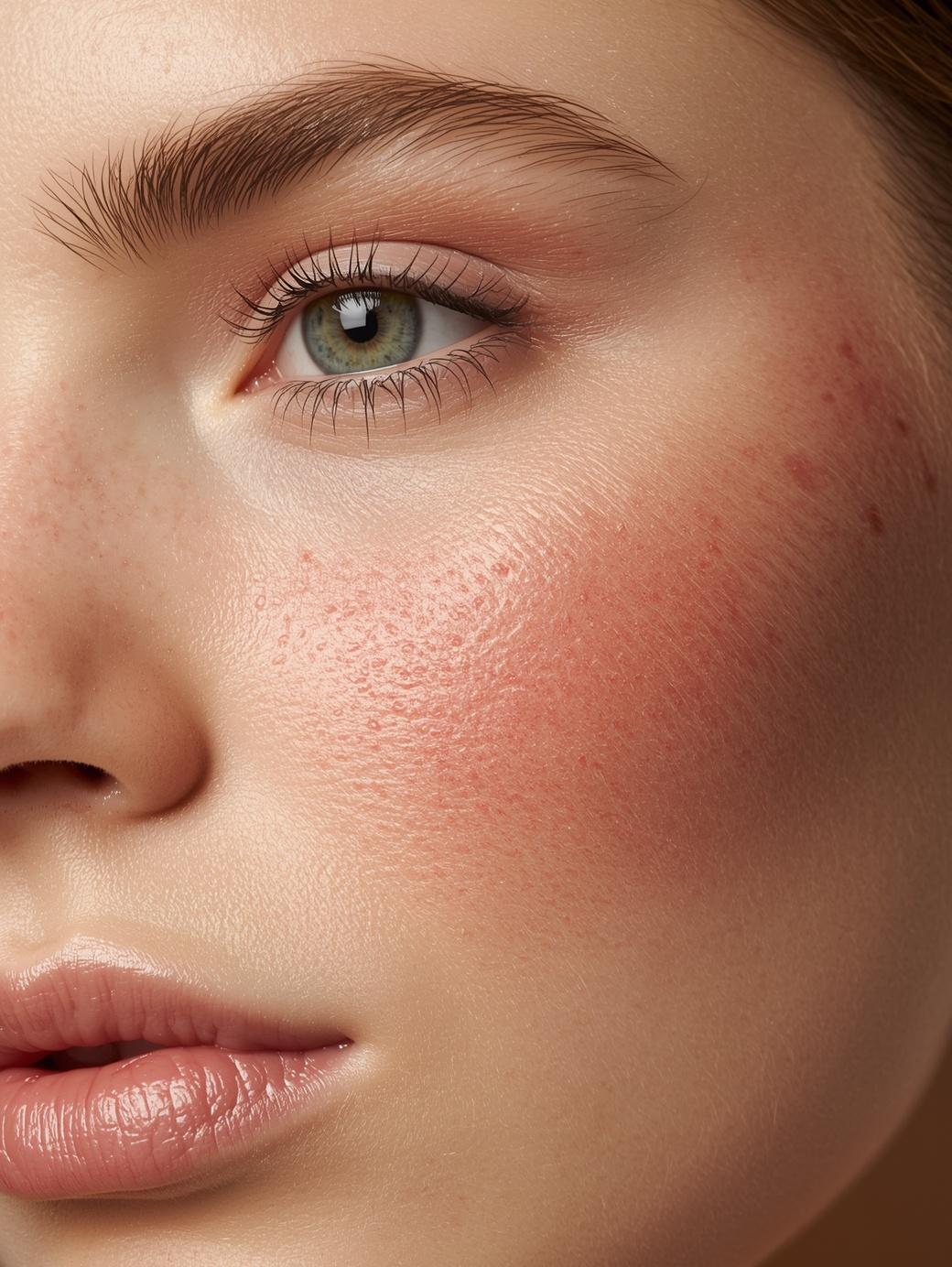
Redness and sensitivity can be frustrating because the skin may react to products, weather, stress, heat, exercise, or seemingly nothing at all. Some people experience occasional flushing, while others live with persistent redness, visible capillaries, burning, stinging, or rosacea-prone skin. At Skandi Skin Clinic, our approach is calm and careful. The focus is on understanding triggers, supporting the skin barrier, reducing unnecessary irritation, and choosing treatments that respect sensitive skin rather than overwhelming it.
Does This Sound Like You?
What Is Redness, Rosacea, and Sensitive Skin?
Redness and sensitive skin describe a range of concerns, from temporary flushing to ongoing reactivity. Rosacea is a common chronic skin condition that may involve facial redness, flushing, visible vessels, sensitivity, and sometimes bumps that resemble acne. Not every red or reactive skin is rosacea, but persistent redness should be assessed carefully.
Sensitive skin often has a compromised or easily disrupted barrier. When the barrier is not functioning well, the skin may lose moisture more easily and allow irritants to penetrate more readily. This can create a cycle of stinging, redness, dryness, and inflammation. A supportive plan usually begins with calming the skin before introducing stronger treatments.
What Can Contribute to This Concern?
Genetics
Some people naturally have more reactive skin or a tendency towards redness and visible vessels.
Rosacea Triggers
Heat, alcohol, spicy foods, stress, exercise, sunlight, and temperature changes may trigger flushing in rosacea-prone skin.
Inflammation
Ongoing inflammation can keep the skin in a reactive cycle, making it harder to tolerate products and treatments.
Skin Barrier Disruption
A weakened barrier can make skin more reactive, dry, tight, and prone to irritation.
Environmental Stress
Wind, cold, sun exposure, and dry indoor air can increase redness and discomfort.
Harsh Products
Over-exfoliation, strong actives, fragrance, and unsuitable cleansers can worsen sensitivity.
Treatment Options and Supportive Approaches

Barrier Repair Homecare
A simplified routine with gentle cleanser, moisturiser, SPF, and calming ingredients can reduce unnecessary irritation.
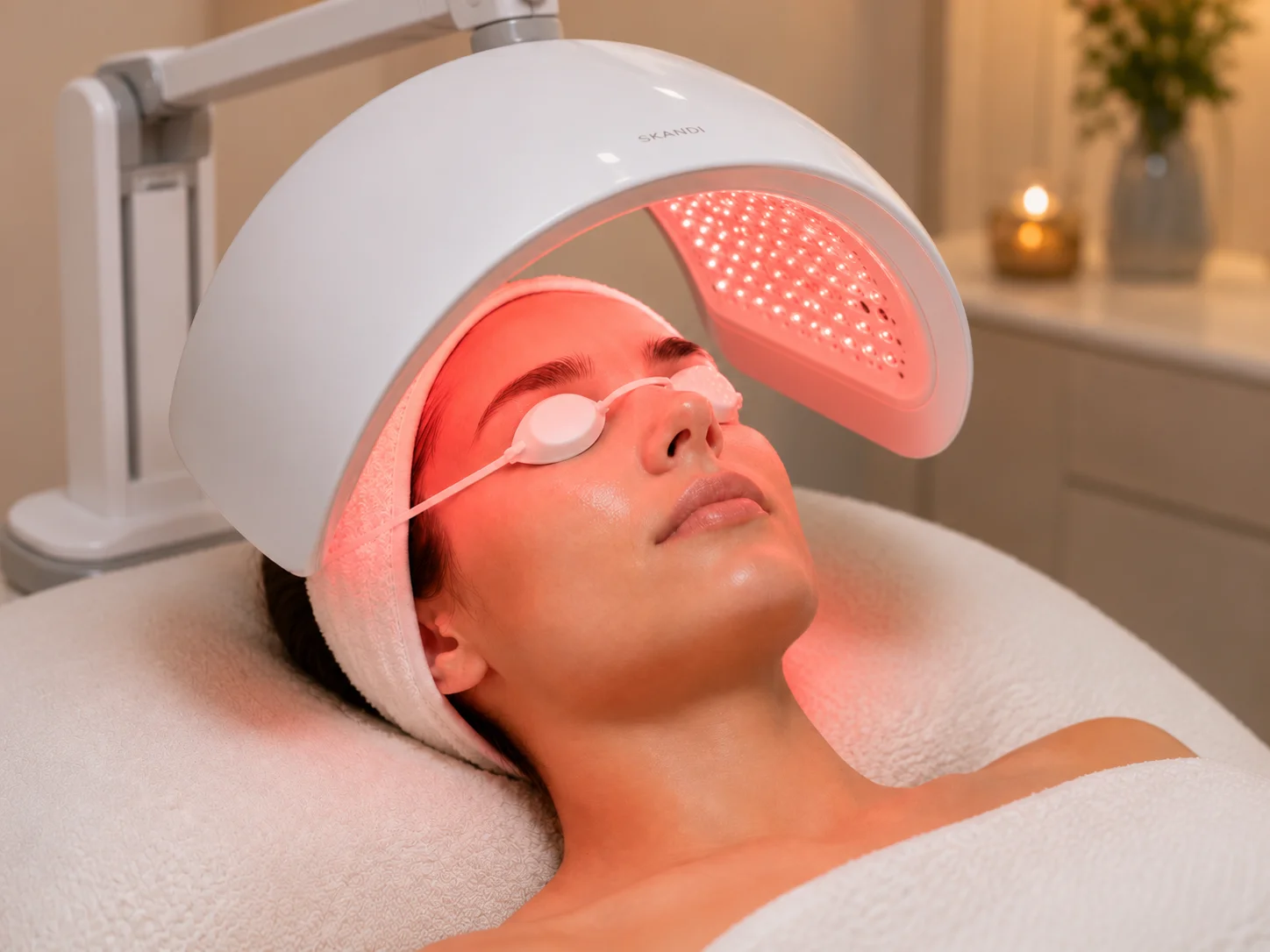
LED Light Therapy
LED may help support calmer-looking skin and assist the skin recovery process without aggressive exfoliation.

Expected Results and Client Journey.
Frequently Asked Questions
Ready to take control?
If your skin feels reactive, red, or easily irritated, book a consultation so we can help you build a calmer, more confident skincare plan.