HAIR & SCALP CONCERNS
Age-Related Hair Thinning
Support the strength, comfort, and confidence of changing hair with respectful, personalised care.
A thoughtful approach for mature clients who want healthier-looking hair and a comfortable scalp.
Hair can change throughout life, and those changes deserve the same care, respect, and attention as any other concern. With age, hair may feel finer, drier, flatter, slower-growing, or less dense. The scalp may become more visible, and styling may feel different than it used to. These changes can be influenced by genetics, hormones, menopause, health history, medication, stress, nutrition, and scalp condition. Our approach is age-positive and supportive: we focus on scalp comfort, healthier-looking hair, realistic options, and helping you feel confident at every stage.
Does This Sound Like You?
What Can Contribute to This Concern?
Natural Hair Changes
Strands may become finer, drier, or slower-growing as hair cycles change over time.
Hormonal Shifts
Menopause and other hormonal changes can influence hair density, texture, and shedding.
Genetics
Family history may influence whether thinning appears gradually at the part, crown, or hairline.
Health & Medication
Medical history, medication, thyroid changes, iron levels, and nutrition can affect hair cycles.
Scalp Condition
Dryness, sensitivity, oil imbalance, or flaking can influence comfort and how hair presents.
Hair Care History
Colouring, heat styling, tight hairstyles, and dryness may affect breakage and manageability.
How We Can Help
We take time to understand your hair history, scalp comfort, lifestyle, and goals. The aim is not to make unrealistic promises or suggest that ageing needs to be “fixed”. Instead, we support the hair and scalp you have now with thoughtful treatment options, homecare guidance, progress review, and referral advice where medical input may be useful. If changes are sudden, severe, patchy, or linked to other symptoms, we recommend medical review before cosmetic treatment.
Treatment Options and Supportive Approaches
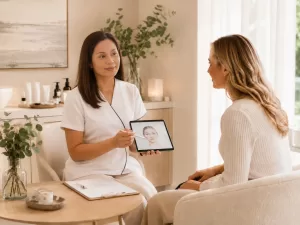
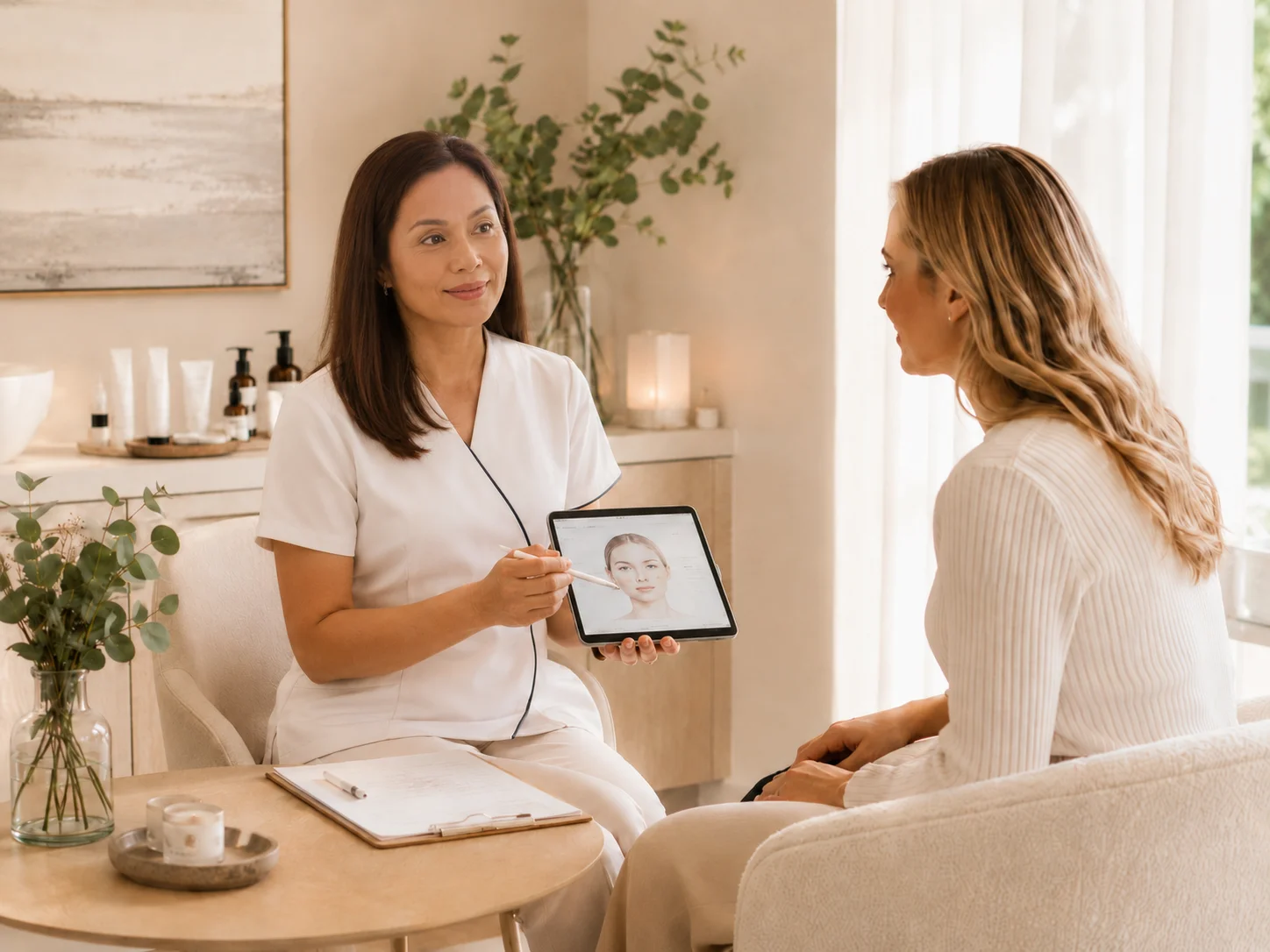
Hair & Scalp Consultation
Assessment of hairline, crown, density, scalp condition, history, and goals.
Scalp Comfort
Treatments
Treatments designed to support dryness, sensitivity, buildup, or scalp tightness where suitable.
Hair Density
Support
In-clinic options to support the appearance and feel of fuller-looking hair over time.
Homecare
Guidance
Advice on washing, styling, scalp care, hydration, and reducing avoidable breakage.
Progress
Reviews
Regular review to monitor comfort, density appearance, and routine consistency.
Referral
Guidance
Medical review may be recommended if symptoms suggest an underlying cause.
Expected Results and Client Journey.
PLEASE NOTE: Changing hair is not a failure or something to be embarrassed about. Our approach is respectful, age-positive, and focused on comfort, confidence, realistic support, and appropriate referral guidance where needed.
Frequently Asked Questions
Noticing age-related changes in your hair?
Book a hair and scalp consultation for supportive, realistic guidance.