
HAIR & SCALP CONCERNS
Hair Loss in Women
Understand changes in shedding, density, and scalp visibility.
A gentle, assessment-led approach for women noticing hair changes at any stage of life.
Female hair loss can appear as a widening part, reduced ponytail thickness, diffuse shedding, thinning through the crown, or more visible scalp. It may be gradual or more noticeable after hormonal changes, stress, illness, medication changes, pregnancy, menopause, nutritional changes, or scalp issues. Some women experience female pattern hair loss, while others may have temporary shedding or another cause. A consultation helps clarify the pattern, identify when medical review may be helpful, and guide supportive treatment options.
Does This Sound Like You?
What Can Contribute to This Concern?
Hormonal Changes
Pregnancy, postpartum changes, perimenopause, menopause, or cycle changes can affect shedding and density.
Genetics
Female pattern hair loss can run in families and may gradually affect the part line or crown.
Stress or Illness
Physical or emotional stress, fever, surgery, or illness may trigger increased shedding months later.
Nutrition & Health
Iron, thyroid, vitamin levels, medication, and wider health changes can influence hair growth cycles.
Hair Practices
Tight hairstyles, extensions, heat styling, and chemical processing may contribute to breakage or traction.
Scalp Health
Inflammation, itching, flaking, oil imbalance, or sensitivity can affect comfort and the hair environment.
How We Can Help
We begin with a hair and scalp consultation to understand the pattern of hair loss, timing, lifestyle factors, scalp condition, and your goals. Where appropriate, we may recommend scalp-focused treatments, supportive hair restoration options, homecare guidance, and progress reviews. If your history suggests a medical cause, we will encourage you to seek GP or dermatologist advice.
Treatment Options and Supportive Approaches
Hair & Scalp Consultation
Assessment of shedding, density, scalp condition, history, and goals.
Scalp
Treatments
Treatments designed to support a cleaner, calmer, healthier scalp environment.
Hair Restoration Support
Clinic-specific treatment options aimed at supporting hair density and confidence.
Homecare Guidance
Product, washing, styling, and scalp care advice tailored to your needs.
Progress Reviews
Review photos, scalp changes, and treatment consistency over time.
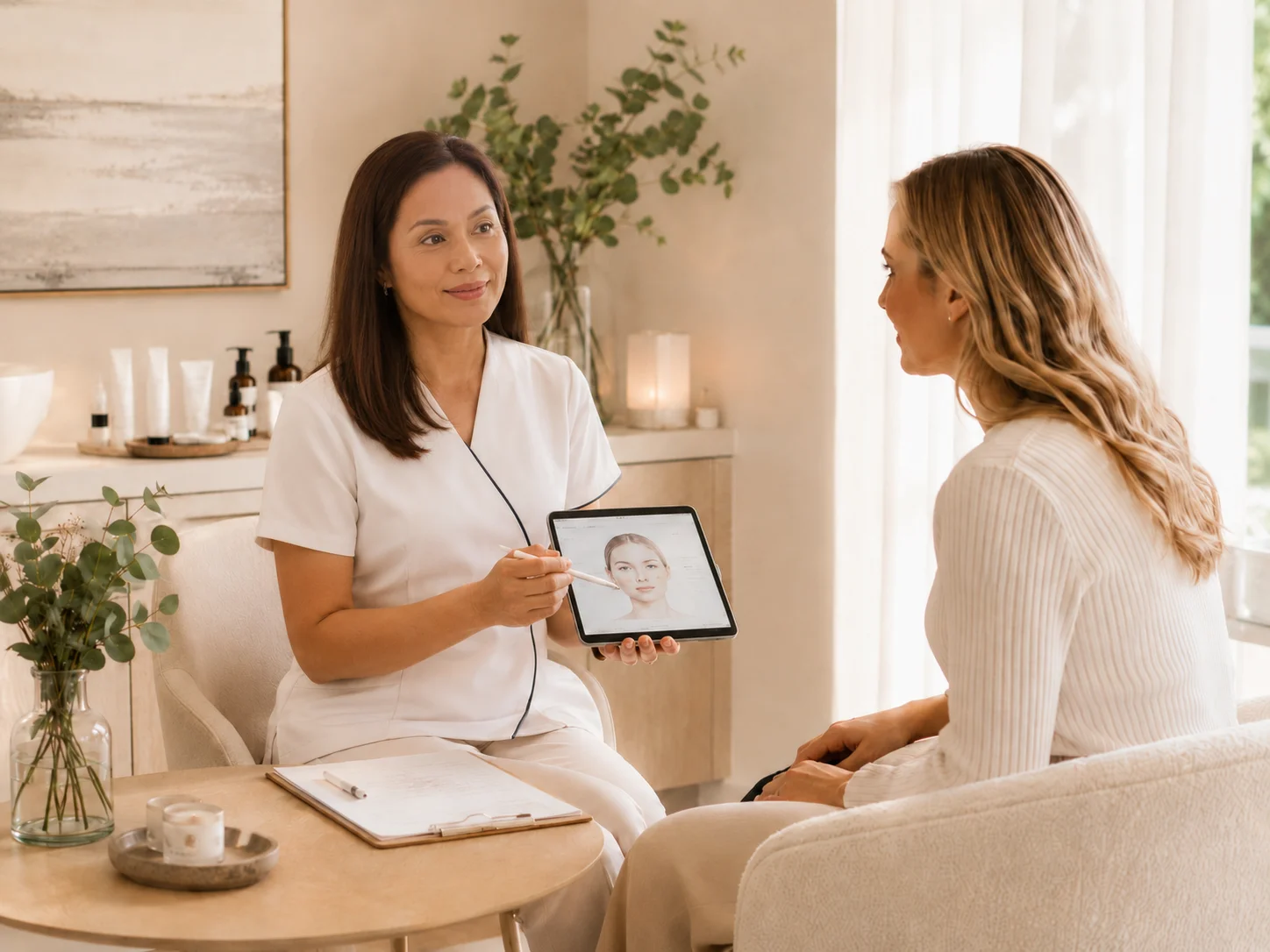
Referral Guidance
Medical review may be recommended if symptoms suggest an underlying cause.
Expected Results and Client Journey.
PLEASE NOTE: Female hair loss can be emotional and complex. Our role is to support you with clear information, realistic options, and appropriate referral guidance when medical review may be needed.
Frequently Asked Questions
Concerned about female hair loss?
Book a hair and scalp consultation and let us help you understand your options with care and clarity.