
SKIN CONCERNS
Pigmentation & Sun Damage
Support for uneven tone, dark spots, and sun-stressed skin.
Professional skin assessment and personalised treatment plans to support healthier, more confident skin.
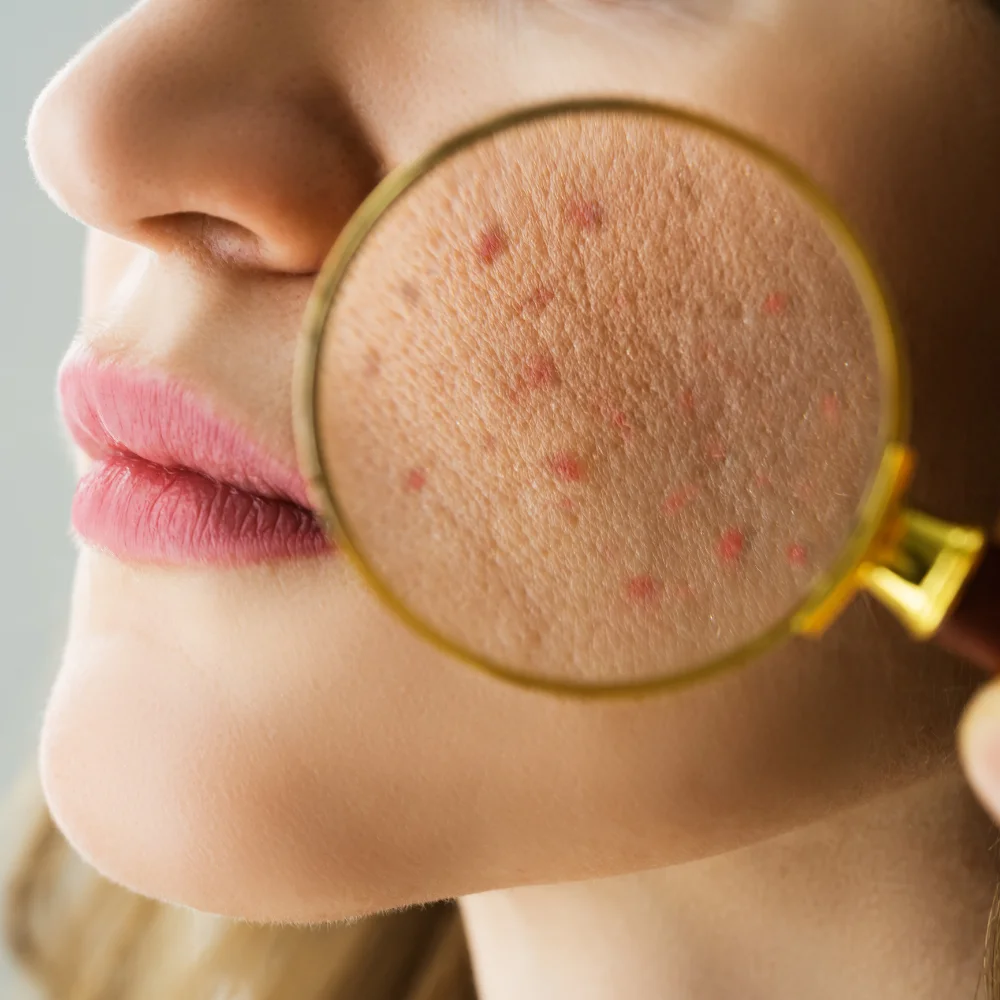
Pigmentation and sun damage can make the skin look uneven, dull, or older than it feels. Whether you are noticing brown spots, melasma-like patches, freckles that have deepened over time, or general sun damage, the right plan begins with understanding what is driving the discoloration. At Skandi Skin Clinic, pigmentation support focuses on professional skin assessment, targeted treatments, daily sun protection, and realistic long-term care. The aim is not simply to fade visible marks, but to support healthier, brighter-looking skin over time.
Does This Sound Like You?
What Is Pigmentation and Sun Damage?
Pigmentation refers to areas of the skin that appear darker because of increased melanin, the pigment that gives skin its colour. It may appear as freckles, age spots, sunspots, post-inflammatory marks, or broader uneven patches. Sun damage is one of the most common contributors, especially in areas frequently exposed to UV light such as the face, neck, chest, shoulders, and hands.
Pigmentation can be stubborn because it is often influenced by several factors at once. UV exposure, hormones, inflammation, genetics, and skin trauma can all play a role. Some pigmentation sits closer to the surface and may respond more quickly, while deeper or hormonally influenced pigmentation can require longer-term management. A professional consultation helps identify the likely type of pigmentation and the safest approach for your skin.
Common Causes of Pigmentation and Sun Damage
UV Exposure
Ultraviolet light stimulates melanin production. Repeated sun exposure can deepen freckles, sunspots, and uneven tone.
Hormonal Influence
Hormonal changes may contribute to melasma-like pigmentation, especially during pregnancy, contraceptive use, or hormonal transition.
Inflammation
Breakouts, irritation, bites, and skin trauma can leave darker marks after the original inflammation has settled.
Genetics
Some skin types are more prone to freckling, uneven tone, or post-inflammatory pigmentation.
Heat and Visible Light
Heat and some forms of light exposure may aggravate certain pigmentation patterns in susceptible skin.
Inconsistent SPF
Pigmentation often returns or darkens when daily sun protection is not consistent. SPF is part of the treatment plan, not an optional extra.
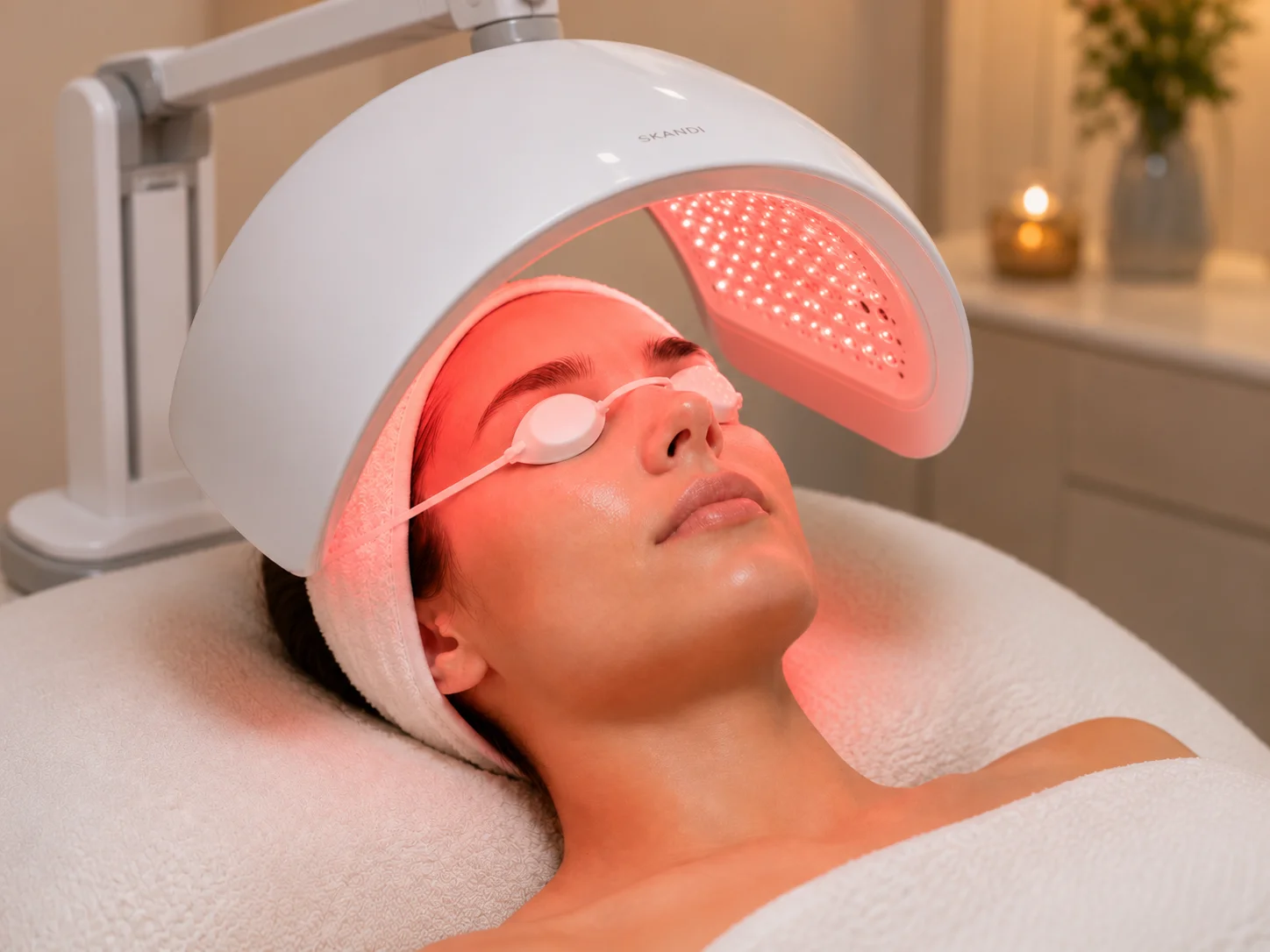
Treatment Options and Supportive Approaches




Daily SPF Plan
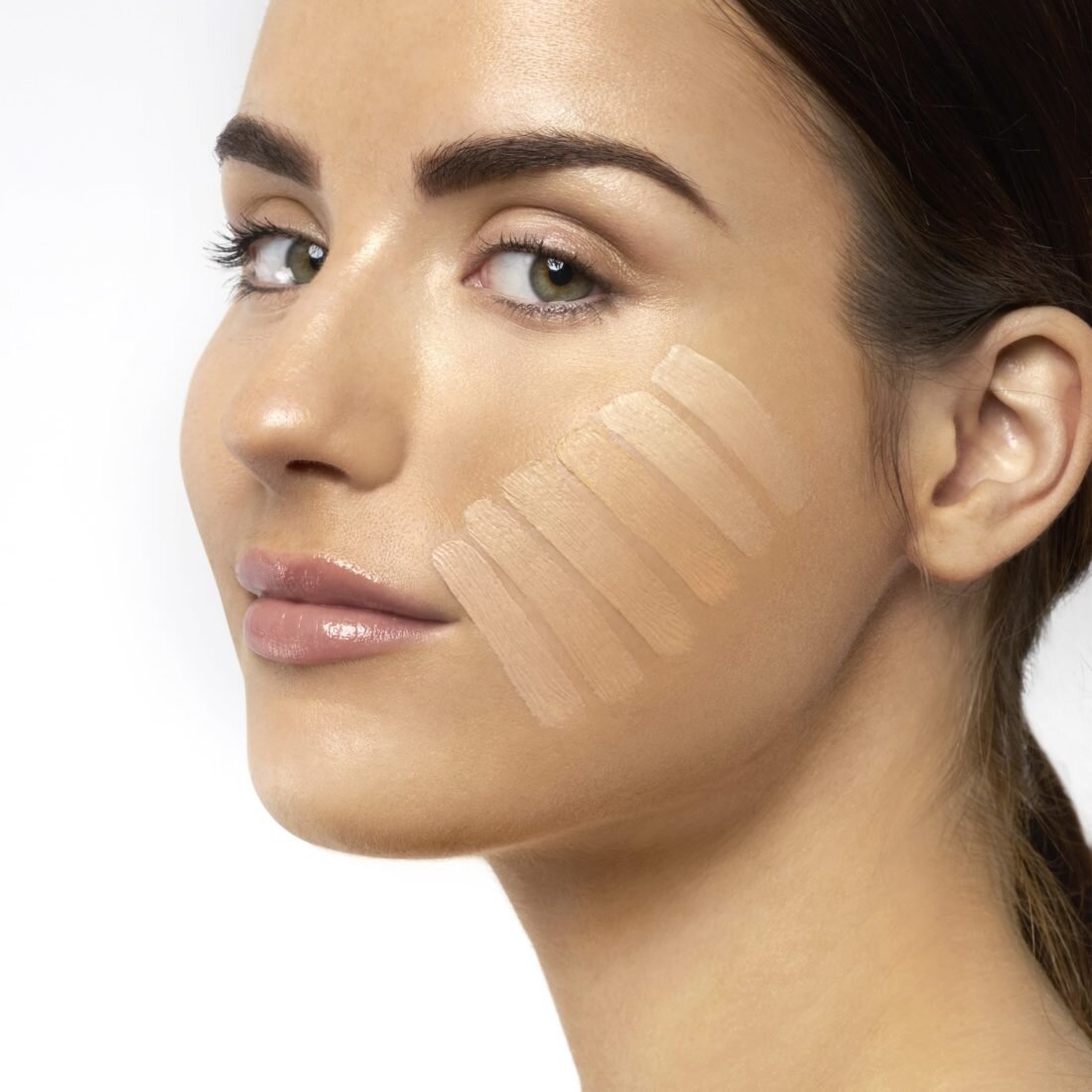
Consistent broad-spectrum sunscreen is essential. Without it, pigmentation may darken again, even after professional treatments.
What Results Can You Expect?
Frequently Asked Questions
Ready to understand what is causing your pigmentation?
Book a personalised skin consultation and let us create a realistic plan for brighter, more even-looking skin.